The Psychological Preparation Process Before Committing to a Comprehensive Smile Transformation
Understanding the Emotional Journey of Dental Transformation
The decision to undergo a comprehensive smile transformation represents far more than a simple consultation with a cosmetic dentist Thames Ditton. It marks the beginning of a profound psychological journey that intertwines self-perception, confidence, and personal identity. Before embarking on such a significant commitment, individuals must navigate a complex landscape of emotions, expectations, and fears that accompany the prospect of altering one’s appearance in such a visible and meaningful way.
Research has consistently demonstrated that dental aesthetics play a crucial role in social interactions and self-esteem. When contemplating extensive cosmetic dental work, patients often experience a mixture of excitement and apprehension. This duality is entirely natural and reflects the weight of the decision at hand. The mouth serves as a focal point during communication, and any changes to one’s smile inevitably affect how individuals present themselves to the world and, perhaps more importantly, how they perceive themselves.
Addressing Dental Anxiety and Apprehension
Dental anxiety remains one of the most significant psychological barriers to seeking treatment, with studies showing that dental fear affects a substantial portion of the population. For those considering comprehensive smile transformations, this anxiety can be particularly acute, as the procedures typically involve multiple appointments, various treatments, and a considerable time commitment. Understanding and acknowledging these fears constitutes the first step towards managing them effectively.
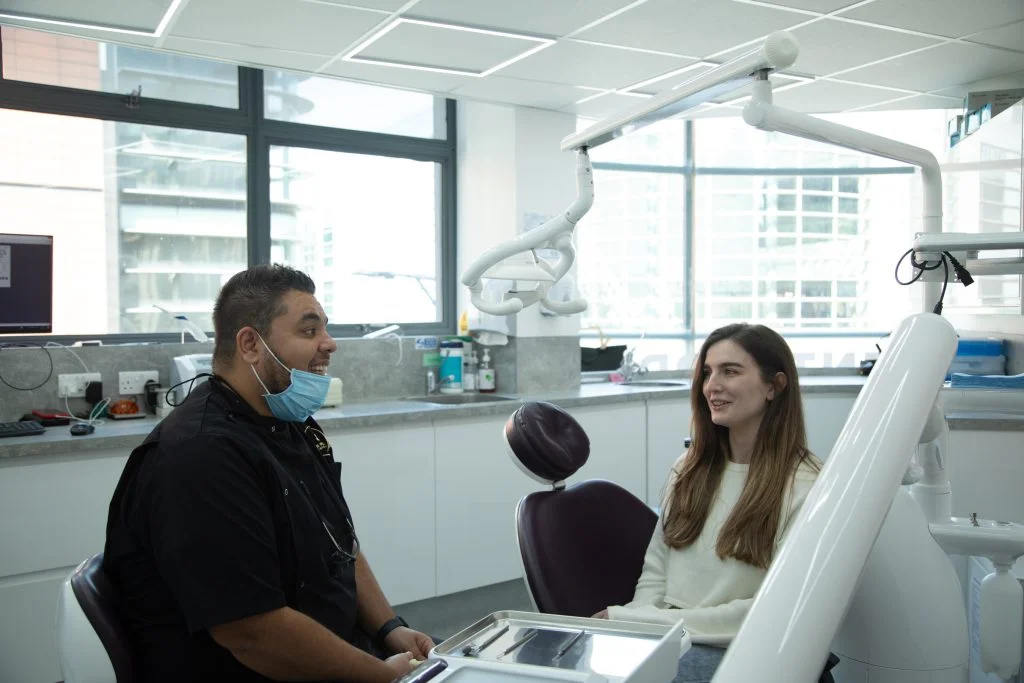
The National Health Service recognises the prevalence of dental anxiety and has developed comprehensive guidelines for managing dental anxiety in clinical settings. These protocols emphasise the importance of open communication between patients and dental professionals, ensuring that concerns are heard and addressed with appropriate strategies. When consulting with a cosmetic dental team, patients should feel empowered to discuss their anxieties candidly, as modern dental practices increasingly prioritise psychological comfort alongside clinical excellence.
Setting Realistic Expectations
One of the most critical aspects of psychological preparation involves establishing realistic expectations about outcomes, timelines, and the transformation process itself. Many individuals approach cosmetic dentistry with ideals shaped by media representations and celebrity smiles, which may not always align with what is achievable or appropriate for their unique dental structure and facial features.
The Importance of Professional Consultation
A thorough consultation process serves as the foundation for aligning expectations with reality. During these discussions, dental professionals can provide detailed explanations of proposed treatments, anticipated results, and potential limitations. This transparency allows patients to make informed decisions whilst developing a clear mental picture of their journey ahead. Understanding that smile transformations are collaborative processes, rather than instantaneous changes, helps individuals prepare mentally for the commitment required.
Building Confidence Through Knowledge
Education plays a pivotal role in psychological preparation. When patients understand the science and artistry behind cosmetic dentistry, they often feel more confident about their decision. Learning about different procedures, materials, and techniques transforms abstract fears into concrete knowledge that can be processed and rationalised. This intellectual engagement with the transformation process empowers individuals to become active participants rather than passive recipients of treatment.
Furthermore, understanding the historical development and success rates of modern cosmetic dentistry can provide reassurance. Research into patient satisfaction following cosmetic dental procedures demonstrates overwhelmingly positive outcomes, not only in terms of aesthetic results but also regarding psychological well-being and quality of life improvements.
Preparing for the Transition Period
The intermediate stages of a smile transformation can present unique psychological challenges. Patients may need to wear temporary restorations, adjust to new sensations, or experience their smile in various states of completion. Preparing mentally for this transitional phase prevents disappointment or frustration during the journey. Acknowledging that transformation is a process, rather than an event, allows individuals to maintain perspective and patience throughout their treatment timeline.
Social Considerations and Support Systems
The psychological preparation extends beyond individual contemplation to include social dimensions. Patients often benefit from discussing their plans with trusted friends or family members who can provide emotional support throughout the process. This external validation and encouragement can prove invaluable during moments of doubt or discomfort.
Embracing Positive Change
Ultimately, the psychological preparation process for a comprehensive smile transformation requires honest self-reflection, education, and emotional readiness. By addressing anxieties, setting realistic expectations, and building a strong support network, individuals position themselves for a successful and satisfying experience. The journey towards a transformed smile begins not in the dental chair, but within the mind, where confidence, commitment, and courage converge to make meaningful change possible.