
Dental
How Endodontists Use Advanced Microscopy to Save Teeth That General Dentists Cannot Treat
The Revolution in Root Canal Treatment
The landscape of dental care has undergone a remarkable transformation over the past few decades, with technological advancements enabling specialists to tackle cases that would have once resulted in inevitable tooth extraction. At the forefront of this evolution stands the dental operating microscope, a sophisticated piece of equipment that has fundamentally changed the capabilities of endodontic treatment. While general dentists provide excellent care for routine procedures, certain complex cases require the enhanced visualisation and precision that only an endodontist Buckinghamshire area or elsewhere can offer through advanced microscopy.
The difference between what can be achieved with the naked eye versus microscopic magnification is nothing short of extraordinary. General dental practitioners typically work with magnification levels of around 2.5x to 3.5x using loupes, whereas endodontic microscopes can provide magnification up to 25x or more. This dramatic increase in visual acuity allows specialists to identify and treat anatomical complexities that would otherwise remain hidden, ultimately saving teeth that might otherwise be deemed untreatable.
Understanding the Limitations of Conventional Dentistry
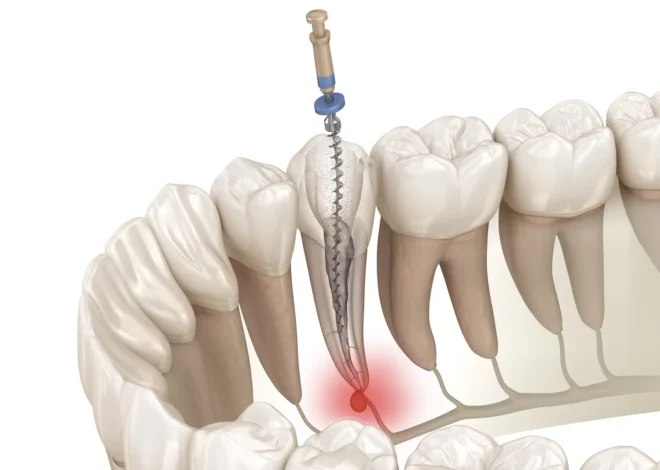
Root canal systems are remarkably intricate networks of canals, branches, and microscopic tributaries that weave through the tooth structure in patterns as unique as fingerprints. General dentists, despite their considerable skills and training, face inherent limitations when attempting to navigate these complex anatomical structures without specialist equipment. The human eye, even when aided by standard dental loupes, simply cannot detect the minute details that often determine treatment success or failure.
Research has demonstrated that microscope-enhanced endodontic treatment significantly improves success rates by enabling practitioners to locate additional canals, identify fractures, and remove separated instruments. These capabilities prove particularly valuable when treating teeth with calcified canals, unusual anatomy, or previous failed treatments. An endodontist with access to such technology can address cases that general practitioners must refer onwards, providing patients with genuine alternatives to extraction.
The Technical Advantages of Microscopic Endodontics
Illumination and Magnification Combined
Modern endodontic microscopes offer more than simple magnification; they incorporate coaxial illumination that projects light directly along the viewing axis. This configuration eliminates shadows within the canal system, revealing details that would remain obscured under conventional lighting conditions. The combination of magnification and superior illumination enables specialists to work with unprecedented precision, distinguishing between healthy tooth structure and diseased tissue with remarkable clarity.
Accessing Hidden Canal Systems
Teeth frequently contain more canals than standard anatomical textbooks suggest, with variations occurring in a significant percentage of cases. The ability to locate these additional canals proves crucial for treatment success, as any untreated canal can harbour bacteria and lead to persistent infection. Endodontists equipped with microscopes can identify these concealed pathways through careful examination of the pulp chamber floor, detecting subtle colour changes and anatomical landmarks that indicate canal orifices invisible to the unaided eye.
Complex Cases That Require Specialist Intervention
Certain clinical scenarios particularly benefit from microscopic treatment approaches. Retreatment cases, where previous root canal therapy has failed, present unique challenges that demand enhanced visualisation. The specialist must remove existing filling materials, locate missed canals, and address complications such as ledges or perforations. Similarly, teeth with calcified canals—where the natural canal space has mineralised over time—require microscopic guidance to safely navigate without damaging the tooth structure.
Separated instruments lodged within canal systems represent another category where microscopic intervention becomes invaluable. These fragments can often be retrieved or bypassed under magnification, whereas conventional approaches would necessitate extraction. Studies indicate that advanced microscopy enhances procedural outcomes across diverse endodontic scenarios, reinforcing the value of specialist referral for challenging cases.
The Distinction Between General Practice and Specialist Care
The decision to seek specialist endodontic care often depends on case complexity rather than any deficiency in general dental expertise. General practitioners rightfully recognise when a case exceeds the scope of conventional treatment and requires the advanced technology and focused training that specialists possess. This collaborative approach ensures patients receive appropriate care levels, with specialist endodontists offering distinct advantages for complicated scenarios whilst general dentists manage routine procedures effectively.
Preserving Natural Teeth Through Advanced Technology
The integration of microscopy into endodontic practice represents a significant advancement in conservative dentistry, enabling the preservation of natural teeth that previous generations would have lost. As technology continues to evolve, the gap between what can and cannot be treated widens in favour of tooth retention. For patients facing complex dental challenges, consulting an endodontist with access to advanced microscopic equipment may offer the difference between extraction and successful treatment, ultimately maintaining natural dentition and the quality of life that accompanies it.
The Psychological Preparation Process Before Committing to a Comprehensive Smile Transformation
Understanding the Emotional Journey of Dental Transformation
The decision to undergo a comprehensive smile transformation represents far more than a simple consultation with a cosmetic dentist Thames Ditton. It marks the beginning of a profound psychological journey that intertwines self-perception, confidence, and personal identity. Before embarking on such a significant commitment, individuals must navigate a complex landscape of emotions, expectations, and fears that accompany the prospect of altering one’s appearance in such a visible and meaningful way.
Research has consistently demonstrated that dental aesthetics play a crucial role in social interactions and self-esteem. When contemplating extensive cosmetic dental work, patients often experience a mixture of excitement and apprehension. This duality is entirely natural and reflects the weight of the decision at hand. The mouth serves as a focal point during communication, and any changes to one’s smile inevitably affect how individuals present themselves to the world and, perhaps more importantly, how they perceive themselves.
Addressing Dental Anxiety and Apprehension
Dental anxiety remains one of the most significant psychological barriers to seeking treatment, with studies showing that dental fear affects a substantial portion of the population. For those considering comprehensive smile transformations, this anxiety can be particularly acute, as the procedures typically involve multiple appointments, various treatments, and a considerable time commitment. Understanding and acknowledging these fears constitutes the first step towards managing them effectively.
The National Health Service recognises the prevalence of dental anxiety and has developed comprehensive guidelines for managing dental anxiety in clinical settings. These protocols emphasise the importance of open communication between patients and dental professionals, ensuring that concerns are heard and addressed with appropriate strategies. When consulting with a cosmetic dental team, patients should feel empowered to discuss their anxieties candidly, as modern dental practices increasingly prioritise psychological comfort alongside clinical excellence.
Setting Realistic Expectations
One of the most critical aspects of psychological preparation involves establishing realistic expectations about outcomes, timelines, and the transformation process itself. Many individuals approach cosmetic dentistry with ideals shaped by media representations and celebrity smiles, which may not always align with what is achievable or appropriate for their unique dental structure and facial features.
The Importance of Professional Consultation
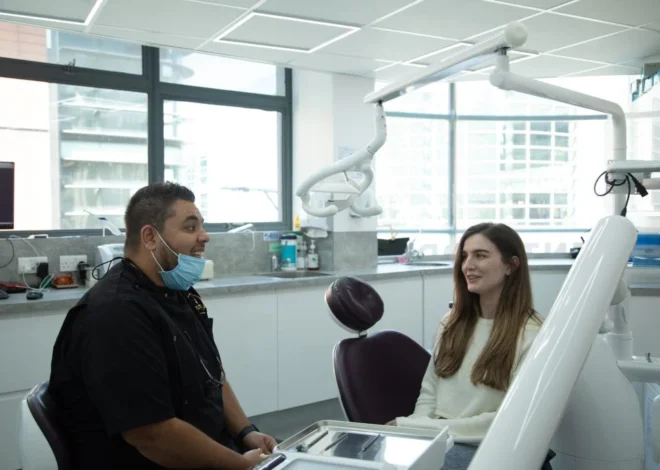
A thorough consultation process serves as the foundation for aligning expectations with reality. During these discussions, dental professionals can provide detailed explanations of proposed treatments, anticipated results, and potential limitations. This transparency allows patients to make informed decisions whilst developing a clear mental picture of their journey ahead. Understanding that smile transformations are collaborative processes, rather than instantaneous changes, helps individuals prepare mentally for the commitment required.
Building Confidence Through Knowledge
Education plays a pivotal role in psychological preparation. When patients understand the science and artistry behind cosmetic dentistry, they often feel more confident about their decision. Learning about different procedures, materials, and techniques transforms abstract fears into concrete knowledge that can be processed and rationalised. This intellectual engagement with the transformation process empowers individuals to become active participants rather than passive recipients of treatment.
Furthermore, understanding the historical development and success rates of modern cosmetic dentistry can provide reassurance. Research into patient satisfaction following cosmetic dental procedures demonstrates overwhelmingly positive outcomes, not only in terms of aesthetic results but also regarding psychological well-being and quality of life improvements.
Preparing for the Transition Period
The intermediate stages of a smile transformation can present unique psychological challenges. Patients may need to wear temporary restorations, adjust to new sensations, or experience their smile in various states of completion. Preparing mentally for this transitional phase prevents disappointment or frustration during the journey. Acknowledging that transformation is a process, rather than an event, allows individuals to maintain perspective and patience throughout their treatment timeline.
Social Considerations and Support Systems
The psychological preparation extends beyond individual contemplation to include social dimensions. Patients often benefit from discussing their plans with trusted friends or family members who can provide emotional support throughout the process. This external validation and encouragement can prove invaluable during moments of doubt or discomfort.
Embracing Positive Change
Ultimately, the psychological preparation process for a comprehensive smile transformation requires honest self-reflection, education, and emotional readiness. By addressing anxieties, setting realistic expectations, and building a strong support network, individuals position themselves for a successful and satisfying experience. The journey towards a transformed smile begins not in the dental chair, but within the mind, where confidence, commitment, and courage converge to make meaningful change possible.
The Transformative Role of Myofunctional Therapy in Preventing Dental Relapse
Understanding the Foundation of Lasting Orthodontic Results
Achieving a beautifully aligned smile often requires months or even years of orthodontic treatment, making it particularly disappointing when teeth gradually shift back towards their original positions. This common occurrence, known as dental relapse, remains one of the most challenging issues in modern dentistry. As a result, many patients seek guidance from a dentist Ivanhoe residents trust to help maintain their orthodontic results long after braces or aligners have been removed.
An increasingly recognised solution is myofunctional therapy, which addresses the underlying muscular habits that can contribute to tooth movement and relapse.
Myofunctional therapy focuses on retraining the muscles of the face, mouth, and throat to function in harmony with orthodontic corrections. Rather than simply straightening teeth and hoping they remain in place, this therapeutic approach recognises that oral and facial muscles exert constant forces on dental structures. When these muscles maintain dysfunctional patterns—such as incorrect tongue posture, mouth breathing, or improper swallowing techniques—they can systematically undermine even the most meticulously executed orthodontic work.
The relationship between muscle function and dental stability has gained considerable attention among dental professionals worldwide. Dental practitioners are increasingly incorporating myofunctional assessments into comprehensive treatment planning. This holistic perspective acknowledges that sustainable orthodontic outcomes require more than mechanical intervention; they demand a fundamental restructuring of how patients use their oral musculature in everyday activities.
The Science Behind Muscle Memory and Dental Positioning
The human tongue exerts remarkable force against the teeth throughout the day and night. Research indicates that the tongue makes contact with the palate and teeth approximately 2,000 times daily during swallowing alone. When the tongue habitually rests in a low position or thrusts forward during swallowing, it creates persistent pressure that can gradually move teeth out of alignment. Similarly, chronic mouth breathing alters the natural balance of forces within the oral cavity, potentially compromising orthodontic stability.
Myofunctional therapy systematically addresses these patterns through targeted exercises designed to improve post-orthodontic retention. These exercises strengthen appropriate muscle groups whilst retraining neural pathways that govern automatic behaviours like swallowing and resting tongue position. The process typically involves learning proper nasal breathing techniques, establishing correct tongue posture against the palate, and developing coordinated swallowing patterns that support rather than undermine dental alignment.
Practical Applications in Contemporary Dental Care
The implementation of myofunctional therapy within dental practices represents a paradigm shift in how professionals approach long-term treatment outcomes. Rather than viewing retention as solely a matter of wearing retainers indefinitely, clinicians now recognise the value of addressing functional components that contribute to relapse. This integrated approach combines traditional retention methods with therapeutic exercises that promote sustainable muscular patterns.
Patients who engage with myofunctional therapy typically work through a structured programme spanning several months. The therapy encompasses various exercises targeting specific muscle groups, breathing pattern modifications, and postural corrections. Many individuals discover that the benefits of myofunctional therapy extend beyond dental stability to include improvements in sleep quality, reduced tension headaches, and enhanced overall facial development.
The timing of myofunctional intervention proves crucial to its success. Ideally, therapy commences before or during orthodontic treatment, allowing patients to develop proper muscle function as their teeth move into optimal positions. However, post-orthodontic myofunctional therapy also yields valuable results for those who have already completed traditional treatment but wish to enhance their retention outcomes.
Building Sustainable Oral Health Habits
One of the most compelling aspects of myofunctional therapy lies in its emphasis on patient empowerment and active participation. Unlike passive treatment modalities, this approach requires individuals to consciously practise new patterns until they become automatic. This active engagement fosters a deeper understanding of oral health and encourages patients to take ownership of their orthodontic results.
The growing body of evidence supporting myofunctional therapy has prompted discussions amongst dental professionals about retention protocols and the need for comprehensive approaches to post-orthodontic care. As awareness increases, more practitioners are recognising that addressing functional components alongside structural corrections offers patients the greatest opportunity for lasting success.
Securing Long-Term Orthodontic Success
The integration of myofunctional therapy into orthodontic care represents a thoughtful evolution in dental practice. By acknowledging the profound influence of muscular patterns on dental positioning, practitioners can offer patients more comprehensive solutions to the challenge of relapse. This approach not only protects the investment of time and resources in orthodontic treatment but also promotes broader improvements in oral function and overall wellbeing.
As understanding of these connections deepens, myofunctional therapy stands poised to become an increasingly standard component of retention protocols worldwide.
Any surgical or invasive procedure carries risks. Before proceeding you should seek a second opinion from an appropriately qualified health practitioner.

How Structured Data Markup Transforms Dental SEO Performance
Understanding the Digital Landscape for Dental Practices
The digital presence of dental practices has become increasingly vital in attracting new patients and maintaining a competitive edge in today’s online marketplace. Whilst many dental surgeries invest considerable effort into creating informative websites and engaging content, a significant number overlook one of the most powerful technical enhancements available: structured data markup. This sophisticated yet accessible technology serves as a bridge between dental websites and search engines, enabling them to communicate more clearly about the services, practitioners, and information available to prospective patients using dental SEO.
Structured data markup operates behind the scenes of a website, providing search engines with explicit clues about the meaning and context of content. Rather than forcing search algorithms to interpret information through complex analysis, this markup language presents details in a format that machines can readily understand. For dental practices, this translates into improved visibility, enhanced search listings, and ultimately, better patient acquisition through organic search channels.
The Mechanics of Schema Markup for Dental Websites
Schema markup represents the vocabulary that structured data uses to describe content to search engines. The comprehensive schema vocabulary documentation provides numerous categories and properties specifically relevant to healthcare providers, including dental practices. When implemented correctly, this markup transforms ordinary HTML into rich, semantically enhanced code that search engines can process with remarkable precision.
For dental practices, several schema types prove particularly valuable. The LocalBusiness schema, combined with Dentist-specific properties, allows practices to communicate their location, opening hours, contact information, and service areas. Meanwhile, the MedicalOrganisation schema enables surgeries to highlight their professional credentials, areas of specialisation, and the range of treatments they provide. By implementing these structured elements, dental websites create a comprehensive digital profile that search engines can confidently display to users seeking dental care.
Enhanced Search Appearance Through Rich Results
One of the most compelling advantages of structured data implementation lies in its ability to generate rich results in search engine listings. These enhanced displays go beyond traditional blue links and meta descriptions, incorporating star ratings, appointment booking options, frequently asked questions, and other interactive elements. For dental practices, this increased visual prominence can substantially improve click-through rates from search results pages.
The introduction to structured data in search demonstrates how properly implemented markup enables search engines to create these enriched listings. When potential patients search for dental services, practices with structured data often appear more authoritative and trustworthy, featuring additional information that helps users make informed decisions before even clicking through to the website.
Local Search Optimisation and Patient Discovery
The geographical nature of dental services makes local search optimisation particularly crucial for practice growth. Structured data markup plays a pivotal role in helping search engines understand the specific locations where dental practices operate and the communities they serve. By incorporating detailed address information, service radius data, and location-specific content markers, dental surgeries can significantly improve their visibility in local search results and map-based queries.
When potential patients search for dental services within their area, search engines rely heavily on structured data to determine which practices are most relevant to display. This becomes especially important for practices operating across multiple locations or those serving specific neighbourhoods within larger metropolitan areas. The precision that structured data provides ensures that dental practices appear in front of the right audiences at the right time.
Service-Specific Markup and Treatment Visibility
Beyond basic practice information, structured data allows dental surgeries to highlight specific treatments and services they provide. Whether offering orthodontic procedures, cosmetic dentistry, or emergency dental care, practices can use service-specific markup to communicate these offerings clearly to search engines. The schema guide for implementing structured content offers detailed instructions on how to properly categorise and present these various service lines.
This granular approach to content organisation means that when patients search for particular dental procedures, practices offering those services stand a better chance of appearing in relevant search results. The structured approach to presenting service information also helps search engines match user intent with appropriate provider capabilities, creating a more satisfying search experience for potential patients.
Measuring Success and Ongoing Optimisation
Implementing structured data markup represents an ongoing commitment rather than a one-time task. Dental practices should regularly audit their markup implementation, ensuring that all information remains current and accurately reflects their services, staff, and operational details. Search engine algorithms continually evolve, and maintaining compliance with current SEO standards requires periodic review and updates.
Monitoring tools and search console data provide valuable insights into how search engines interpret structured data and which elements contribute most significantly to improved visibility. By analysing these metrics, dental practices can refine their approach, identifying opportunities to enhance their structured data implementation and maximise the return on their digital marketing investments.
The Future of Dental Practice Visibility
Structured data markup has evolved from an optional technical enhancement to an essential component of comprehensive digital marketing strategies for dental practices. As search engines become increasingly sophisticated in how they process and display information, practices that embrace this technology position themselves advantageously for long-term success in attracting and converting prospective patients through organic search channels.
Any surgical or invasive procedure carries risks. Before proceeding you should seek a second opinion from an appropriately qualified health practitioner.
Understanding Braces Retention Protocols and Long-Term Smile Stability
The Critical Phase After Orthodontic Treatment
Achieving a perfectly aligned smile through orthodontic treatment such as braces Liverpool represents a significant milestone, yet many patients remain unaware that the journey towards permanent results extends far beyond the day their braces are removed. The retention phase stands as arguably the most crucial period in orthodontic care, determining whether years of treatment will yield lasting benefits or gradually diminish over time. Understanding the science behind retention protocols empowers patients to maintain their investment in oral health and preserve the aesthetic improvements they have worked so diligently to achieve.
When individuals complete their treatment, orthodontists emphasise that teeth possess a natural tendency to shift back towards their original positions. This phenomenon, known as relapse, occurs because the periodontal ligaments and surrounding bone tissue require substantial time to stabilise following tooth movement. Without proper retention measures, these biological forces can undermine months or even years of orthodontic correction, leading to disappointment and potentially necessitating additional treatment.
The Science Behind Tooth Movement and Stabilisation
Orthodontic treatment fundamentally works by applying controlled pressure to teeth, which triggers a biological response within the surrounding bone structure. As teeth move into their desired positions, the bone on one side experiences resorption whilst new bone forms on the opposite side. However, this remodelling process continues long after the active treatment phase concludes, making the retention period essential for allowing the supporting structures to fully adapt to the new tooth positions.
Research published in orthodontic retention clinical guides demonstrates that the periodontal fibres surrounding teeth can take up to twelve months to reorganise completely. During this vulnerable period, teeth remain susceptible to shifting, particularly in the first few months following brace removal. This biological reality underscores why orthodontists prescribe specific retention protocols tailored to individual patient needs, taking into account factors such as the severity of the original malocclusion, age, and overall oral health.
Types of Retainers and Their Specific Functions
Orthodontic retainers come in several distinct forms, each designed to address particular retention requirements. Fixed retainers, typically bonded to the lingual surface of the anterior teeth, provide continuous support and prove particularly effective for patients with severe rotation or spacing issues. These permanent fixtures eliminate compliance concerns, as patients cannot remove them independently, ensuring consistent retention without relying on patient cooperation.
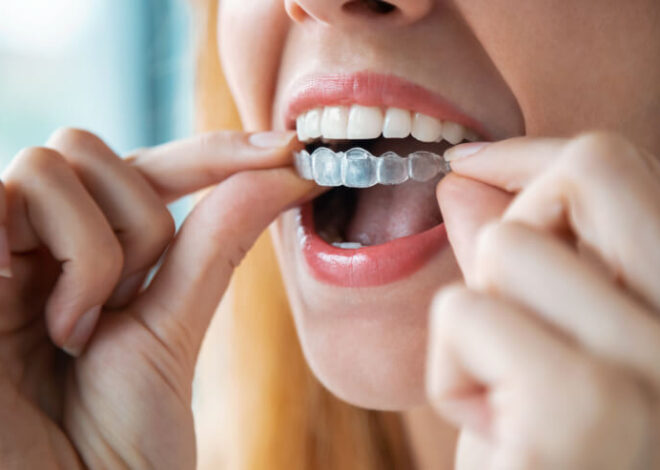
Removable retainers, conversely, offer flexibility and ease of maintenance whilst requiring disciplined adherence to wearing schedules. The Hawley retainer, constructed from acrylic and wire, has served as the traditional choice for decades, whilst clear plastic retainers have gained popularity due to their aesthetic appeal. Studies examining long-term orthodontic stability outcomes suggest that both types can effectively maintain tooth positions when worn according to prescribed protocols, though patient compliance remains the determining factor in success rates.
Developing Sustainable Retention Habits
The transition from full-time to part-time retainer wear represents a gradual process that varies considerably between individuals. Most orthodontists recommend wearing retainers continuously for the first three to six months following brace removal, subsequently transitioning to nightly wear. Understanding the importance of retainers after braces helps patients appreciate why this commitment extends indefinitely for many individuals, with some requiring lifelong nightly retention to preserve their results.
Establishing a consistent routine proves essential for retention success. Patients who integrate retainer wear into their bedtime rituals alongside brushing and flossing demonstrate significantly higher compliance rates than those who approach retention haphazardly. Regular cleaning of retainers, proper storage when not in use, and attending scheduled follow-up appointments enable orthodontists to monitor stability and adjust protocols as needed.
Preserving Your Investment in Orthodontic Care
The retention phase ultimately determines whether orthodontic treatment delivers permanent results or temporary improvements. Patients who view retention as an integral component of their overall treatment rather than an optional afterthought position themselves for lifelong smile stability. By understanding the biological processes at work and committing to prescribed retention protocols, individuals can ensure their beautifully aligned smiles remain a lasting testament to their investment in oral health and aesthetic confidence.

The Hidden Benefits of Regular Dental Check-Ups for Your Lifestyle
Why Your Smile Deserves More Than Just a Quick Brush
Most people view dental appointments as necessary evils—brief encounters with uncomfortable chairs and probing instruments that serve merely to prevent cavities. However, this perspective drastically underestimates the profound impact that regular dental care can have on one’s overall quality of life. Beyond the obvious benefits of maintaining healthy teeth and gums, consistent dental check-ups, such as with a dentist Brentwood, offer a wealth of advantages that extend far beyond the confines of oral health.
The modern understanding of dental care has evolved considerably, revealing connections between oral health and numerous aspects of physical wellbeing, social confidence, and even professional success. When individuals commit to regular dental visits, they’re investing in a comprehensive lifestyle enhancement that touches virtually every aspect of their daily existence.
The Science Behind Preventive Dental Care
Regular dental examinations operate on the fundamental principle of prevention rather than reaction. During these appointments, dental professionals can identify potential issues long before they manifest as painful problems requiring extensive treatment. This proactive approach not only saves considerable expense but also prevents the disruption that emergency dental situations can cause to one’s personal and professional commitments.
The thoroughness of professional dental cleanings surpasses what even the most diligent home care routine can achieve. Dental hygienists possess specialised tools and techniques that remove plaque and tartar buildup from areas that standard brushing and flossing simply cannot reach. This comprehensive cleaning process helps maintain optimal oral health whilst preventing the development of more serious conditions.
Enhanced Confidence and Social Interactions
One of the most immediate lifestyle benefits of regular dental care manifests in improved self-confidence during social interactions. When individuals feel assured about their oral health and the appearance of their smile, they naturally engage more freely in conversations, laugh without reservation, and present themselves with greater confidence in both personal and professional settings.
Research consistently demonstrates that people with healthy, attractive smiles are perceived more positively by others, often being viewed as more trustworthy, successful, and approachable. For patients seeking quality dental care, a dentist can provide the comprehensive services necessary to maintain this confident presentation.
Professional Advantages of Excellent Oral Health
The workplace benefits of maintaining excellent oral health extend well beyond personal comfort. Professionals who prioritise their dental care often find themselves experiencing fewer sick days, as good oral hygiene contributes significantly to overall immune system function. The mouth serves as a gateway to the body, and maintaining its health helps prevent various systemic health issues that could otherwise impact work performance and attendance.
Furthermore, individuals with fresh breath and healthy smiles often find themselves more successful in client-facing roles, presentations, and networking opportunities. The confidence that comes from knowing one’s oral health is optimal translates into more assertive communication and stronger professional relationships.
Long-term Health Implications
The connection between oral health and systemic health continues to reveal surprising correlations that impact overall lifestyle quality. Regular dental check-ups can help identify early signs of various health conditions, including diabetes, heart disease, and certain autoimmune disorders. Understanding these comprehensive health benefits helps individuals appreciate the true value of consistent dental care.
Maintaining excellent oral health through regular check-ups also contributes to better nutrition choices and eating experiences. When teeth and gums remain healthy, individuals can continue enjoying a diverse range of foods throughout their lives, supporting overall nutritional wellbeing and dining pleasure.
Financial Benefits Through Prevention
The economic advantages of preventive dental care compound significantly over time. Regular check-ups allow for early intervention when issues are still minor and relatively inexpensive to address. This approach contrasts sharply with emergency dental treatment, which often requires extensive procedures and considerable financial investment. Routine dental maintenance represents a wise financial strategy that protects both oral health and household budgets.
Additionally, many dental insurance plans offer enhanced coverage for preventive care, making regular check-ups an economically sensible choice. The importance of maintaining regular dental appointments extends beyond immediate oral health concerns to encompass long-term financial planning and healthcare management.
Embracing a Comprehensive Approach to Wellbeing
Regular dental check-ups represent far more than simple maintenance appointments—they constitute investments in comprehensive lifestyle enhancement. From improved confidence and professional success to better long-term health outcomes and financial savings, the benefits extend throughout every aspect of daily life. Embracing this preventive approach to dental care enables individuals to enjoy optimal oral health whilst supporting their broader lifestyle goals and overall wellbeing.

Revolutionising Dental Aesthetics: Advanced Whitening Solutions for Lasting Results
The Evolution of Modern Dental Whitening
The landscape of dental aesthetics has undergone a remarkable transformation over the past decade, with teeth whitening in Canary Wharf emerging as one of the most sought-after cosmetic dental procedures. Gone are the days when patients had to settle for unpredictable results or endure lengthy treatment periods. Today’s advanced whitening solutions offer unprecedented precision, comfort, and longevity, making brilliant smiles more accessible than ever before.
Modern dental practices have embraced cutting-edge technologies that deliver consistent, dramatic results whilst prioritising patient comfort and oral health. These innovations have fundamentally changed how dental professionals approach whitening treatments, moving from a one-size-fits-all methodology to personalised solutions tailored to individual needs and lifestyle requirements.
Understanding Contemporary Whitening Technologies
The science behind today’s whitening procedures represents a significant leap forward from traditional methods. Contemporary treatments utilise sophisticated bleaching agents combined with advanced delivery systems that ensure optimal penetration whilst minimising sensitivity. These developments have made professional whitening safer, more effective, and remarkably comfortable for patients across all demographics.
Professional-grade whitening systems now incorporate LED light activation, custom-fitted trays, and precisely calibrated bleaching concentrations. This combination allows dental practitioners to achieve results that were previously impossible, often lightening teeth by several shades in a single session. The comprehensive range of advanced whitening techniques available today ensures that virtually every patient can find a solution that meets their specific requirements.
In-Office Versus At-Home Solutions
The choice between in-office and at-home whitening treatments has become more nuanced, with each option offering distinct advantages. In-office procedures provide immediate, dramatic results under professional supervision, making them ideal for patients seeking rapid transformation. These treatments typically involve higher concentration bleaching agents activated by specialised equipment, delivering remarkable results in a single appointment.
At-home whitening systems, conversely, offer convenience and gradual improvement over extended periods. Modern take-home kits feature custom-fabricated trays and professional-strength whitening gels, allowing patients to achieve professional results in the comfort of their own homes. This flexibility has proven particularly appealing to busy professionals seeking teeth whitening where time constraints often influence treatment decisions.
Personalised Treatment Protocols
The most significant advancement in dental whitening lies in the development of personalised treatment protocols. Dental professionals now conduct comprehensive assessments that consider factors such as tooth structure, existing restorations, sensitivity levels, and desired outcomes. This individualised approach ensures optimal results whilst minimising potential complications or discomfort during the whitening process.
Advanced diagnostic tools enable practitioners to predict treatment outcomes with remarkable accuracy, allowing patients to make informed decisions about their whitening journey. These assessments also help determine the most appropriate whitening method, whether that involves laser-assisted treatments, chemical whitening, or combination approaches that maximise effectiveness.
Long-Term Results and Maintenance Strategies
Modern whitening solutions prioritise longevity, with many treatments offering results that last significantly longer than traditional methods. The key to maintaining these results lies in understanding the factors that influence tooth discolouration and implementing appropriate maintenance strategies. Professional whitening treatments now include comprehensive aftercare programmes designed to preserve and enhance initial results.
Maintenance protocols typically involve periodic touch-up treatments, dietary modifications, and specialised oral hygiene products. These strategies help patients maintain their investment in dental aesthetics whilst promoting overall oral health. The various whitening methodologies available each require specific maintenance approaches, highlighting the importance of professional guidance throughout the treatment process.
Future Innovations in Whitening Technology
The future of dental whitening promises even more exciting developments, with researchers exploring nanotechnology applications, biocompatible whitening agents, and precision delivery systems. These innovations focus on achieving superior results with minimal treatment time and enhanced patient comfort. Emerging whitening technologies and advanced treatment approaches continue to push the boundaries of what’s possible in cosmetic dentistry.
Additionally, integration with digital dentistry platforms enables more precise treatment planning and monitoring, ensuring consistent outcomes across different patient populations. These technological advances represent a fundamental shift towards evidence-based whitening protocols that deliver predictable, lasting results.
Achieving Your Perfect Smile
The revolution in dental whitening has transformed cosmetic dentistry, offering patients unprecedented opportunities to achieve their ideal smile. With advanced technologies, personalised treatment approaches, and comprehensive maintenance strategies, professional whitening treatments now deliver results that exceed traditional expectations. As these innovations continue to evolve, the future of dental aesthetics looks brighter than ever, promising even more effective solutions for patients seeking lasting whitening results.